

Putting The Shoe On The Other Foot
Every house has a born-on date, that day when it was shiny and new, fresh off the builder’s hands. Think of the old beer-can dating campaigns; houses have the same thing, they just don’t print it anywhere.
During a century of life, a house goes through a lot. Mother Nature works on it every day. Families move in, make it their own, move out. Each owner maintains it, or doesn’t, or improves it, or lets it slide. Things wear out. New technology comes along and gets folded in. Here’s a partial list of what a house built in our area since 1900 has likely lived through:
- Indoor plumbing.
- Electricity got upgraded from knob and tube wiring.
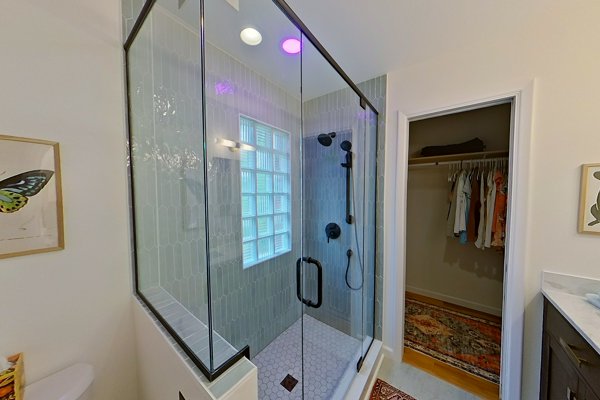
- Showers were modified from bathtubs,
- Lots of electric appliances came along,
- The windows were replaced.
- New siding.
- Telephone lines came and went.
- Several water heaters were replaced.
- Coal-fired furnaces, which took the place of wood, went away.
- Oil tanks were the new way to heat, then they were removed, and natural GAS was installed
- Septic systems were abandoned for the city sewer.
- Furnaces wore out and coal fired were replaced with oil burners, then natural gas units.
- Ductwork came along then air conditioning.
- A 5-gallon bucket basement was dug.
- Several roofs were replaced, some on top of each other.
- The place was painted a few times.
- Maybe an addition was put on and or maybe rooms got rearranged.
My point: houses built in our area since 1900 have already been rebuilt several times over, piece by piece. The idea that a structure can be maintained forever, unchanged, is not how buildings or life actually work. What’s the life expectancy of a house built in 1900? It depends entirely on how well it was maintained. Were upgrades ever done, and were they were done well?
Was The Home Maintained?
There’s a saying I love: “I would have taken better care of myself when I was younger, had I known I would live this long.” Houses are the same. Most were built to last a long time, but at some point they reach the end of their usable life. When that happens, the responsible move is sometimes to start over . There are an aray of better building materials and better building science to use that we have learned in that time. Rather than prop up a building that’s become an exhausted energy hog. Some homes are worth preserving for the long haul. But not every old house is one of them, and pretending otherwise doesn’t serve anyone.
Can The Phoenix Rise?
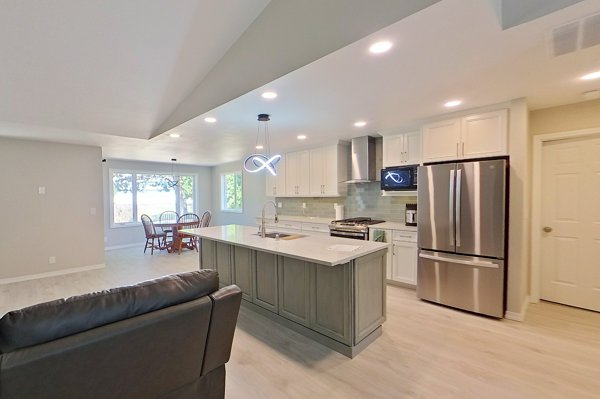
Is it worth bringing an old house back to life? That has to be judged case by case. Can the owner afford it? Will local preservation guidelines allow the changes needed to make it livable and efficient? It’s a heavy lift, and there are real trade-offs. We live differently than people did a century ago, and not every historic structure can flex to meet that without compromises that go against its own integrity. I love remodeling old homes, bringing homes up to new standards is a huge part of what we do. But some additions were built irresponsibly, with materials or techniques that make a full restoration cost-prohibitive no matter how much good will is behind it.
I’ve spent a lot of time arguing this point in front of historic preservation boards, and I understand why the rules exist. Nobody wants a neighborhood’s character erased one flip at a time. But I’d like to see more room for professional judgment in how those rules get applied: an honest, case-by-case look at a building’s actual condition, rather than a blanket standard applied the same way to every structure regardless of its state. Homes are already being replaced across the city as part of the natural life cycle of a community. Historic districts deserve thoughtful stewardship too. Stewardship that can tell the difference between a house worth saving and one that’s already gone.
Let Houses Die With Dignity
Celebrate the good ones. Maintain them. Let owners alter them when it makes sense, guided by the client’s needs and the contractor’s best judgment. And when a home has genuinely become a money pit, for whatever reason, let’s not saddle the next owner with a lemon or an energy-hog-impending structural failure-fire hazard just because we couldn’t let go.
My dad lived to 99, and near the end, he talked about donating his body to science. Something useful to do with a body that had run its course. Houses are a bit like that too. IMHO, If a house could talk, I’d bet there’s a point where it’s ready to go. Our job is to use good judgment, harvest some of the cool vintage stuff, and let it go when the time actually comes.
Your comments are welcome. To ask questions or get more information about remodeling, click here to email me directly, or call 208-947-7261
If you or someone you know is considering remodeling or would like to speak with a passionate and trustworthy remodeling contractor, please contact us. You’ll be glad you did.
0 Comments